
Last Updated: November 18, 2026
Quick Summary
Independent running brands are small, specialist labels that design and produce their own performance gear outside the mass-market system. Their main benefits are gear built around a specific terrain, body or idea, technical fabrics chosen for a specific climate, and construction that survives repeated washing and long days out.
- Small-batch production means shorter runs, so a colourway or model can disappear.
- Look for lightweight knits, open mesh panels and quick-drying fabrics rather than merely cooling ones.
- A hydration vest should sit high and close, with the load against the ribs.
- Typical spend ranges from AED 449 to AED 1,099 for trail and ultra gear.
- Compare cost per season rather than cost per item, because longevity earns back the higher price.
Table of Contents
- Why Independent Running Brands Are Gaining Ground
- Performance Benefits: Technical Fabrics and Specialist Design
- Design, Style, and Creative Direction You Won't See in Malls
- The Benefits of Independent Running Brands for Different Runner Types
- Community, Running Culture, and Local Group Runs
- Sustainability and Responsible Production: How to Verify Claims
- Total Cost, Value, and Product Longevity
- Trade-Offs and Limitations of Buying Independent
- Frequently Asked Questions
Why Independent Running Brands Are Gaining Ground
Independent running brands are small, specialist labels that design and produce their own performance gear outside the mass-market system. Runners are increasingly moving away from the same three logos on every start line toward labels that build for a specific terrain, a specific body, or a specific idea. The benefits of independent running brands start with that specificity: gear designed around a real problem rather than a sales forecast.
The shift is visible in how people shop. Runners who once bought whatever the nearest mall stocked now search for niche brands, read the story behind a fabric, and ask who actually made the shoe. That curiosity rewards the labels that answer it honestly.
How Boutique Labels Differ from Mass-Market Gear
Mass-market gear is built to fit the widest possible range of people at the lowest possible cost. Boutique labels, by contrast, are generally built around a narrower focus, with product refined over time.
The Shift Toward Small-Batch Production
Small-batch production generally means shorter runs, so a colourway or a model can disappear. For the runner, that is the trade: less certainty of restock, more gear that feels like it was made with a point of view.
Performance Benefits: Technical Fabrics and Specialist Design
Performance benefits come from three things independent brands tend to prioritise: technical fabrics chosen for a specific climate, a fit built around real running posture, and construction that survives repeated washing and long days out. Specialist design is not a marketing phrase here. It is the difference between a vest that carries water without bouncing and one that rubs a shoulder raw by kilometre thirty.
Read the fabric spec before the print. A bold design on a fabric that traps heat is a costume, not kit.
Breathability and Moisture Management in Heat
Breathability and moisture management matter most when the air is hot and heavy. Look for lightweight knits, open mesh panels in the back and underarms, and fabrics described as quick-drying rather than merely "cooling". A common mistake is buying a dark, dense fabric for summer because the print looks good. In practice, the print will still look good when you are overheating in it.
Fit and Comfort for Long-Distance Training
Fit is where specialist brands earn their price. A hydration vest should sit high and close, with the load against the ribs rather than the lower back. Shorts should clear the thigh without riding up.
Design, Style, and Creative Direction You Won't See in Malls
Design is the most obvious benefit and the most underrated. Aesthetic choices signal what a brand believes: whether running is a performance ritual, a social hour, or a form of self-expression.
If you want to see the range, browse the independent running brands we carry and the Trail Goddess apparel collection.

Runner in a patterned top stretching their calf against a wall on a city path during an early morning run
The Benefits of Independent Running Brands for Different Runner Types
The benefits of independent running brands are not identical for every runner. The gear that transforms an ultra is overkill for a park loop, and the reverse is also true. What follows is how we would match the two, organized by the three runner types we see most often, with the specific mechanisms that make independent gear worth the premium for each.
Runner type |
What matters most |
Gear to prioritise |
Typical spend |
|---|---|---|---|
Trail and ultra |
Load carry, grip, weather protection, heat management |
Vest, trail shoes, light shell |
AED 449 to AED 1,099 |
Urban and style-conscious |
Fit, print, everyday versatility, easy care |
Shorts, tops, cap |
AED 149 to AED 399 |
Weekend group runners |
Comfort, durability, easy care, value per wear |
One good top, one good short |
AED 199 to AED 449 |
Trail and Ultra Runners
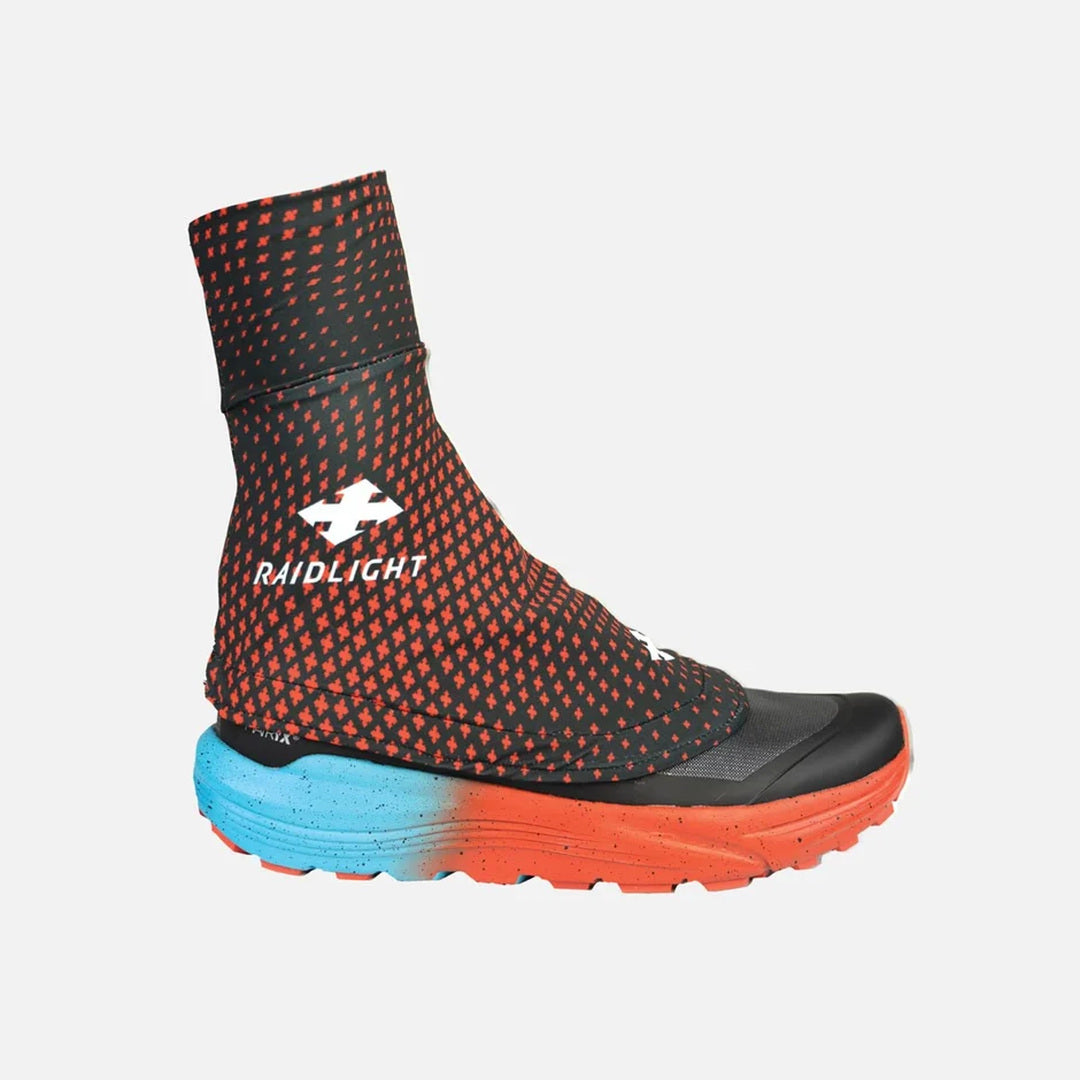
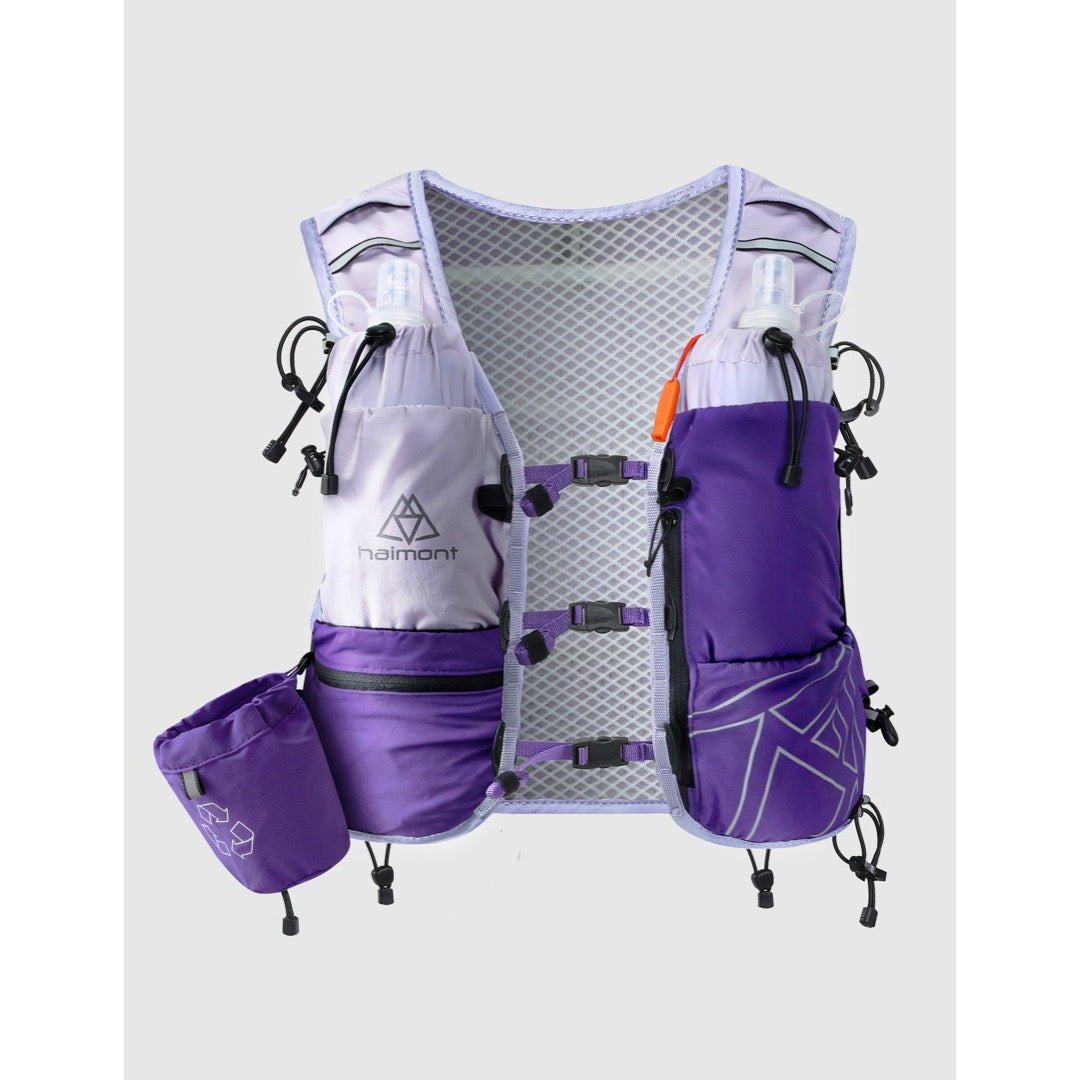
Trail and ultra runners need gear that holds up when self-supported for hours. The mechanisms that matter are specific. A vest has to carry fluid and food without movement, which means the load should sit against the ribs and stay close when you descend, not swing out on every step. Shoes need grip on loose rock and sand, so look for a lug pattern with depth and a rubber compound that stays soft in heat rather than hardening. A shell has to block wind without turning into a sauna, which is why breathability ratings and pit zips matter more than waterproof numbers in dry heat.
For that job we point runners to the Ultra 4 Desert Protect trail running shoes and the Haimont Race 8L hydration vest, both built for long days in hard conditions. The vest's strap geometry and the shoe's rock plate are the kind of details a mass-market label averages away. Check the size chart against a loaded pack, not an empty one.
Urban and Style-Conscious Runners
Urban runners want kit that works on the pavement and looks right afterwards. The priority is a clean fit and a print you actually chose, but the practical benefit is versatility: a short that passes at a run club and at a cafe without a change. Independent labels tend to cut for a specific posture, so the waistband sits where you want it when you are moving, not just standing.
The No Rules Drift running short is the piece we would start with if the design point matters as much as the split time. , and a fabric weight that dries quickly after a humid evening run. Watch out: buying a print you love without checking the inseam against a short you already own is the most common way urban runners end up with a piece that stays in the drawer.
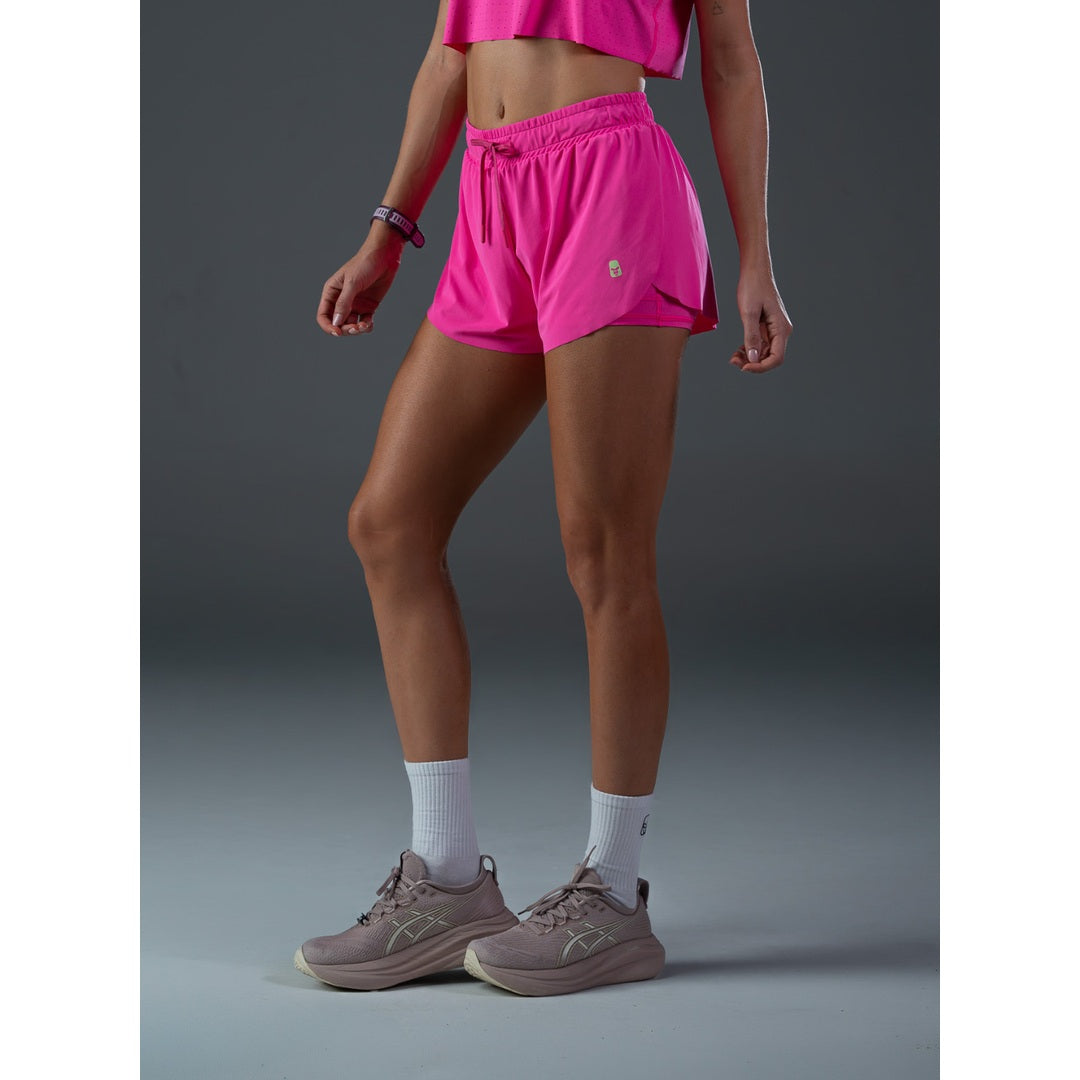
Short Drift Neon Pink No Rules for Women
Weekend Group Runners
Weekend group runners do not need a full ultra kit. One breathable top and one well-fitting short will cover most club runs, and both will last longer than a cheap pair bought in a hurry. Cost per wear matters here: a single well-made piece usually lasts longer than several cheaper ones.
Buy one piece you love rather than three you tolerate. The mechanism is simple: fewer, better pieces mean less decision fatigue on club night and more consistent fit, because you learn how one brand cuts rather than guessing across three. For group runners, the social benefit compounds too, the person who sold you the top is often the person you run beside, so feedback on fit and durability travels fast.
Community, Running Culture, and Local Group Runs
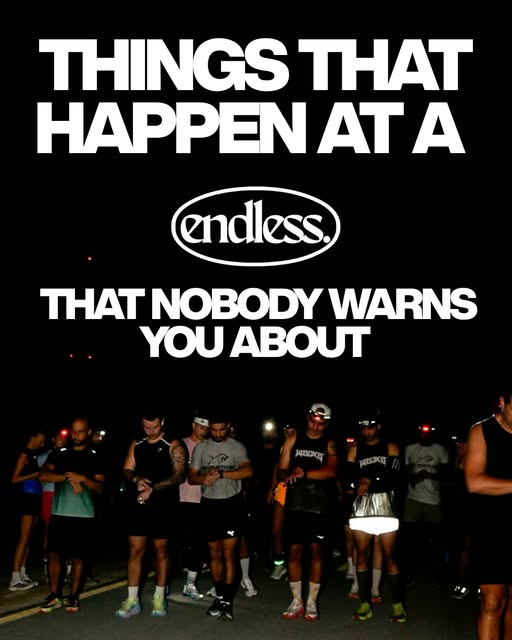
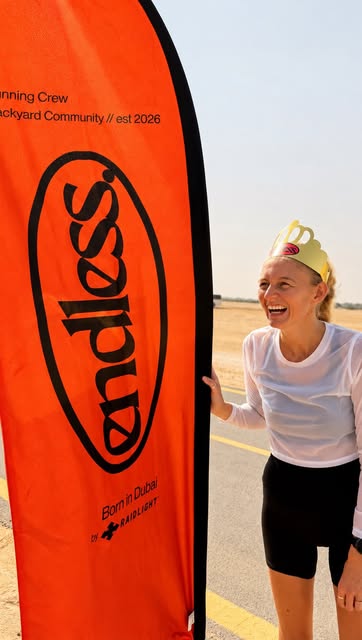
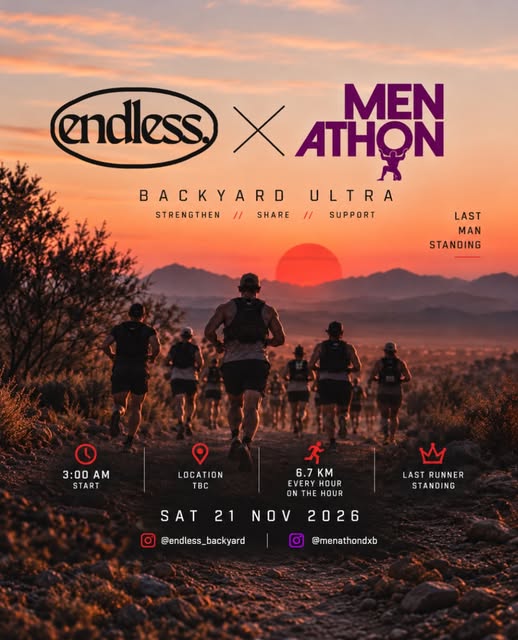
Community is an important part of running culture, and many runners value brands that engage with local group runs.
Run clubs in Dubai and Abu Dhabi bring runners together for group events and community running. SOMEWEAR's founder, Tania Carmona, took part in the Cocodona 250.
Sustainability and Responsible Production: How to Verify Claims
Sustainability claims are easy to make and hard to check, so treat them as questions rather than promises. Responsible production shows up in specifics: named materials, a stated factory, a repair or returns policy that assumes the product will be used hard. Brands worth trusting are generally the ones that volunteer details about materials, assembly and repair rather than relying on logos.
A Four-Part Verification Framework
Use this framework to separate substance from marketing. It is not a certification, but it forces a brand to answer in specifics rather than adjectives.
- Materials and origin. Does the brand name the fabric (for example, a specific recycled polyester or a bluesign-approved membrane) and state where it is woven or knit? A claim like "eco-friendly fabric" without a name is a red flag. Look for a stated percentage of recycled content and a named supplier.
- Manufacturing location and labor. Does the brand publish the factory and country of assembly? Does it reference a recognized social-audit standard or a code of conduct? A brand that names its factory is usually serious; one that says "ethically made" with no location is asking you to take it on faith.
- Durability and repairability. Does the product carry a stated fabric weight, a warranty period, and a repair route? A repair policy is the most credible sustainability signal because it assumes the product will be used hard rather than replaced.
- End-of-life and returns. Does the brand offer a take-back scheme, a resale channel, or a clear returns window? A brand that publishes its returns window plainly is easier to hold to account.
How to Read a Sustainability Claim in Practice
Ask three questions of any claim you see on a product page. Does the brand name its materials and their origin? Does it publish where the product is made? Does it offer a route to repair or return? A label that answers all three is usually serious. A label that answers none is asking you to take it on faith.
When you are spending on a shell, an email asking for the fabric supplier and the assembly location is a reasonable test of whether a brand stands behind its claims.
Watch out: a brand that lists a certification logo but cannot tell you which product line it applies to is using the logo as decoration. Ask for the certificate number or the specific product it covers before you treat it as verified.
Total Cost, Value, and Product Longevity
Value is not the same as a low price. A piece that survives three seasons costs less per run than a cheap one replaced twice a year. Independent gear usually sits at a higher price point up front and earns it back through longevity, which is why we tell runners to compare cost per season rather than cost per item.
Durability is the honest test. Look at stitching on high-stress seams, the quality of the zip on a vest, and whether the fabric has a stated weight. If you have been burned before by gear that looked good and fell apart, ask about the return policy before you buy, not after.
Trade-Offs and Limitations of Buying Independent
Independent brands are not the right answer for everyone, and pretending otherwise would be dishonest. The main trade-offs are availability, sizing uncertainty, and price.
- Stock: small-batch runs sell out and restock slowly.
- Sizing: a label from another market may fit differently, so check the size chart against a garment you own.
- Price: the up-front cost is higher than mass-market equivalents.
- Support: smaller brands have smaller customer service teams, so response times vary.
Check the size chart and the returns window before ordering from a niche brand.
The honest challenge with independent gear is that you cannot try it on in a mall before you commit. That is the gap we built SOMEWEAR to close: a curated range of global boutique labels, shipped across the region, with bold prints and expressive designs for runners who want their kit to say something. Browse the collection, check the size charts, and ask us before you order. Get started with SOMEWEAR and find gear that moves the way you do.
Frequently Asked Questions
How are independent running brands different from mainstream brands?
Independent running brands operate on small-batch production rather than mass production, which lets them focus on specialist needs and niche markets. They often use technical fabrics chosen for specific conditions, and their design teams have more freedom over creative direction and brand identity. Mainstream labels prioritize broad appeal and volume, so their product range tends to be more uniform. Independent labels trade some of that scale for distinctive aesthetics, tighter fit options, and closer relationships with the running community.
Are boutique running brands worth the price?
Value depends on how much you use the gear. A hydration vest priced at AED 449 or a trail shoe at AED 749 is an upfront investment. Factor in fit, comfort, and how often you run before deciding. If you train regularly or race long distances, the performance and longevity usually justify the price point.
Do independent running brands make high-performance gear?
Yes. Independent labels often focus on specialist gear, and performance depends on the specific product. The key is checking specifications rather than assuming. Look at the materials listed, the intended use, and whether the brand publishes details about its supply chain and testing.
How can I tell whether a small running brand is sustainable?
Ask for specifics rather than slogans. A credible brand can tell you where its materials come from, how small its production runs are, and what responsible production steps it takes. Look for published information about its supply chain, repair or returns policies, and whether it supports local running communities through events or group runs. Vague claims about being green are a warning sign. Concrete details about materials and manufacturing are what separate real sustainability from marketing language.